Jeonju Hanok Village Guide: Hanbok, Hanok Stays, Food & Getting There
Plan a Jeonju Hanok Village visit with practical notes on hanbok rental, traditional stays, bibimbap and kongnamul gukbap, Jeondong Cathedral, and rail travel from Seoul.
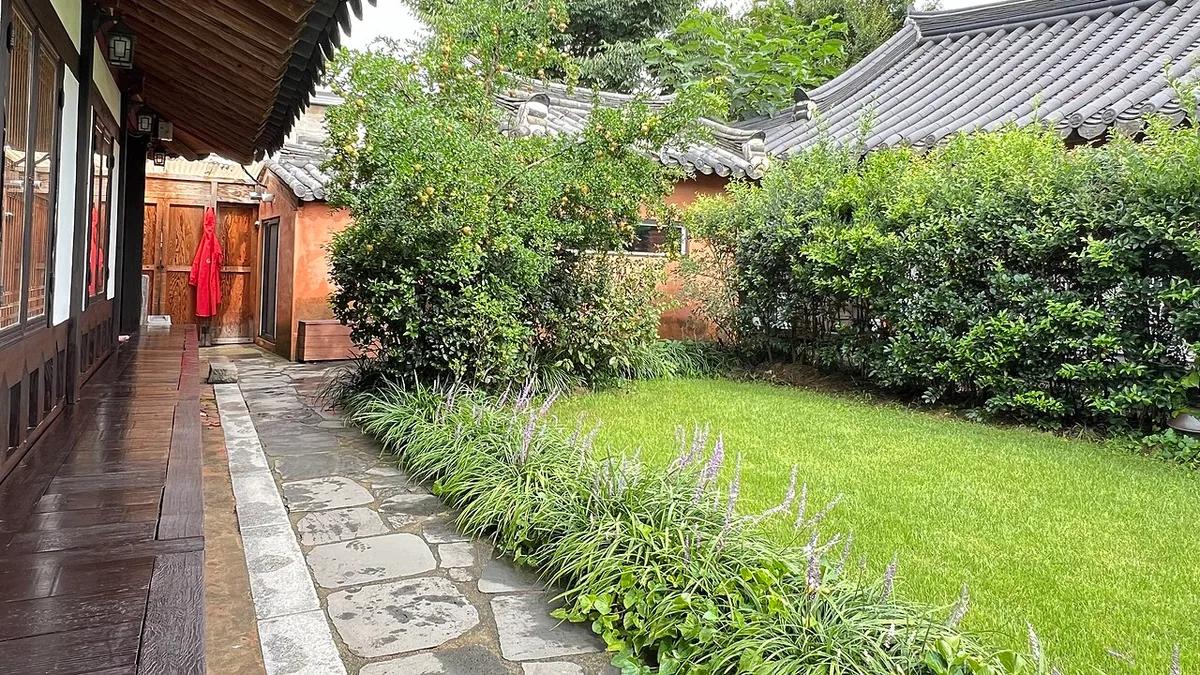
Table of Contents
Jeonju is a strong choice when you want a compact trip built around traditional architecture, local food, and a slower walking pace. The Hanok Village brings these together: Jeonju’s official tourism guide highlights its historic lanes, Jeondong Cathedral, Gyeonggijeon Shrine, and local dishes. Plan the practical details—especially a room and your return train—before you arrive, then leave time to wander beyond the busiest streets.
Start with the village on foot
The main appeal is the contrast between tiled-roof hanok lanes and the city’s everyday life around them. Jeonju’s tourism office describes the village as a walkable heritage area and places Jeondong Cathedral and Gyeonggijeon Shrine near its entrance. Treat the village as a connected area rather than a single attraction: check a map, choose a few stops, and allow time for small alleys and food breaks.
The official city site also publishes suggested walking routes and guided walks. Tour schedules and language availability can change, so check the current listing if you want a guided visit rather than exploring independently.
Day trip or overnight stay?
Decide this before you book anything else — it changes your train times, your evening plan, and whether you need to reserve a room at all.
A day trip works well if you mainly want the walkable heritage core: Jeondong Cathedral, Gyeonggijeon Shrine, the hanbok photo streets, and one sit-down meal. Travel time depends on your departure station and the specific train — KTX from Seoul’s Yongsan Station and SRT from Suseo Station are different services with different schedules, so don’t treat them as interchangeable. Check the round-trip time for your actual date in the official KORAIL or SRT booking search, together with the onward travel from Jeonju Station into the Hanok Village, before deciding whether a day trip leaves you enough time.
An overnight stay is worth the extra planning if you want the village once the day-trip crowds thin out, or if hanbok photos in early-morning or evening light matter to you. Room setup and bedding vary by property — see “Staying overnight in a hanok” below for what to confirm — so it’s worth checking those details before you commit to the extra night, not after.
If you’re still unsure, pace is usually the deciding factor: travelers moving on to another city the same day tend to do better with a day trip and an early return train, while travelers treating Jeonju as its own stop tend to prefer staying over.
Hanbok rental: choose the experience, then confirm the terms
Hanbok rental is one of the easiest ways to make the village visit feel like an occasion. Jeonju’s official K-Fashion information describes traditional, modernized, and themed styles available around the village. Before paying, ask the shop what the rental includes, how long you may keep the outfit, what identification or deposit is required, and whether accessories or changing facilities are included. Prices and conditions are shop-specific; verify them directly on the day.
If you plan to visit a church, shrine, or another indoor heritage site while dressed up, follow that venue’s current visitor guidance and be considerate of worshippers and other visitors.
Staying overnight in a hanok
An overnight stay lets you experience the village after day visitors leave, but “hanok stay” can describe very different rooms and service levels. Jeonju’s official stay listings include traditional houses offering overnight stays, and the city notes the ondol heated-floor tradition as part of the hanok experience.
Before booking, confirm the exact room type, whether the bathroom is private, check-in arrangements, luggage handling, and what bedding is provided. Traditional rooms may use floor bedding rather than western-style beds; ask if that matters for your comfort. Also check the property’s quiet-hour and entry instructions. Rates and availability vary by property and date, so use the property’s own current listing rather than relying on an old quoted price.
Eat Jeonju bibimbap and kongnamul gukbap
Jeonju is strongly associated with two dishes: bibimbap and kongnamul gukbap, a bean-sprout soup served with rice. The official city tourism guide names places serving bibimbap, including Gogung Suragan’s Hanok Village branch, and publishes a broader food guide for the area. Use those listings as a starting point, then check the restaurant’s current menu, hours, and location before setting out.
You do not need to turn every meal into a reservation-heavy plan. Pick one signature dish to seek out, keep another meal flexible, and check whether a restaurant is open on your travel date. The official tourism pages are useful for identifying local specialties, not a guarantee that an individual business’s details remain unchanged.
Visit Jeondong Cathedral respectfully
Jeondong Cathedral stands at the entrance to the Hanok Village and is a prominent red-brick landmark. Jeonju’s official history page describes the site as connected to early Korean Catholic history and identifies the cathedral’s address as 51 Taejo-ro, Wansan-gu. It is an active religious site as well as a visitor landmark: keep voices low, do not enter restricted areas, and avoid photographing people during worship without permission.
Do not plan around an old opening-time listing. Access to the church interior may be affected by services, events, or maintenance; check the current notice from the parish or city tourism office before visiting. The exterior and surrounding streets can still be appreciated as part of a village walk.
Seoul to Jeonju by KTX or SRT
For rail travel, search for Jeonju Station in the official Korail or SR booking service for your exact date. KTX and SRT services, departure stations, stops, and available seats depend on the timetable; do not assume that every train or departure city offers the same routing. SR’s official route information lists Jeonju among its shared stations, so SRT can be checked as an option as well as KTX.
Book against the station and arrival time shown on your ticket, not just the phrase “Jeonju.” Once you know your arrival, check the onward local transport to your accommodation and the Hanok Village. If you are making a same-day return, secure the return train first and leave a generous buffer before departure. Rail fares and journey times change by train and date; consult the official booking results rather than relying on a fixed figure.
A simple first-visit plan
- Arrive by rail and travel onward to your accommodation or the village.
- Walk the main heritage area, including the cathedral surroundings and the lanes toward Gyeonggijeon.
- Take a break for bibimbap or kongnamul gukbap, checking the restaurant’s current details first.
- If you rented hanbok, return it according to the shop’s agreed time; otherwise, continue exploring at your own pace.
- Stay overnight if you want the quieter evening and morning atmosphere, or return to the station with enough time for your booked train.
The plan is intentionally loose: opening arrangements, shop terms, and train schedules can change. Check the specific places and services you intend to use.
Still deciding?
Not sure whether to visit for a day or stay overnight? Ask on Koursea Community and share your travel dates and what else is on your itinerary — other travelers and our editorial team can weigh in.
Official sources
- VISIT JEONJU: Jeonju Hanok Village and recommended places to eat
- VISIT JEONJU: Hanbok and K-Fashion
- VISIT JEONJU: Hanok stay information
- VISIT JEONJU: Jeondong Catholic Cathedral history and address
- KORAIL: route maps and train information
- SR: official SRT operating sections
For current rail times and fares, search the date in the KORAIL or SRT booking service. For current visitor information, start with VISIT JEONJU.